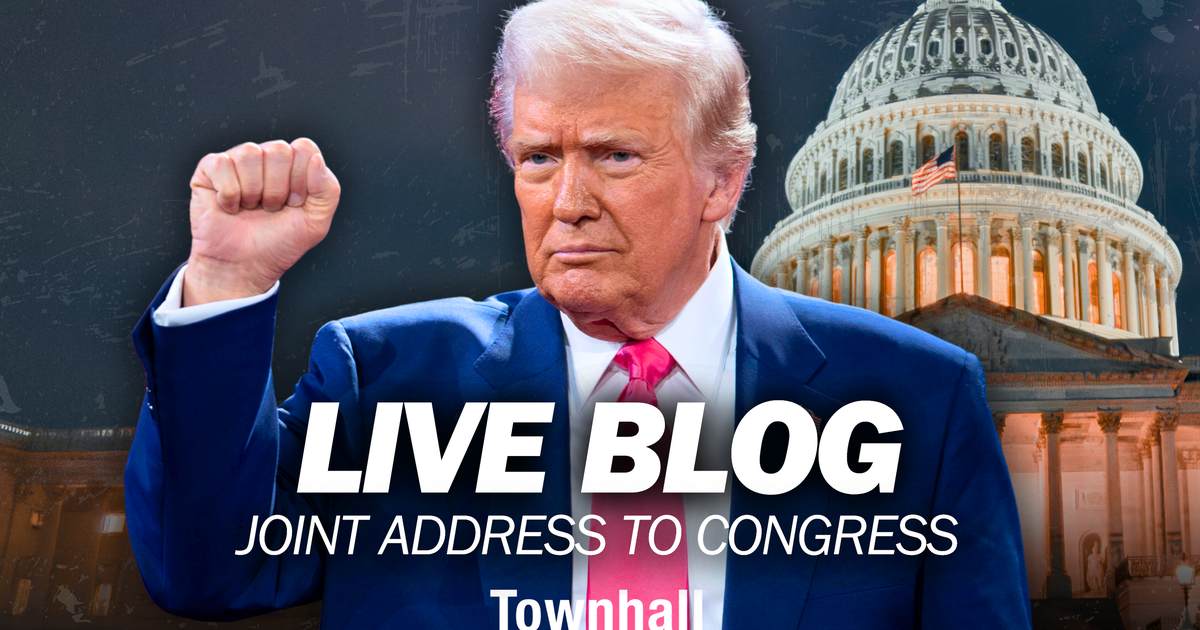
Trump's Golden Age Vision: Deciphering What His Next Moves Mean
The political landscape is always shifting, but few figures command attention quite like Donald Trump. His pronouncements of a coming "Golden Age" for America resonate deeply with his base and spark intense debate across the nation. But what does this grand vision truly entail for practical governance, and more importantly, what will be
Trump's next move to realize it? From economic policy to cultural resets, understanding his potential future actions requires a deep dive into the philosophy underpinning his statements and the specific issues he's highlighted.
Trump's "Golden Age" isn't merely a nostalgic sentiment; it's a strategic framework for policy. He has consistently championed a return to what he terms "common sense," a strong emphasis on "law and order," and a decisive stance on cultural issues, notably signaling an "end to transanity." These aren't just slogans; they are foundational pillars informing the direction of his future agenda. As the budget process continues and discussions around tariffs remain prominent, the stage is set for a series of impactful decisions that could reshape various facets of American life.
Reigniting the American Dream: Core Philosophical Underpinnings
At the heart of Trump's "Golden Age" vision lies an unwavering commitment to "renew the promise of the American Dream." This isn't a nebulous concept but a call to action rooted in specific ideological principles. For Trump, restoring the American Dream means empowering the individual, protecting national sovereignty, and ensuring domestic prosperity takes precedence.
His rhetoric frequently harks back to an era of perceived national strength and traditional values. The call for a "return to common sense" can be interpreted as a push against what he views as excessive bureaucracy, political correctness, and a departure from what he considers foundational American principles. This translates into a policy stance that often favors deregulation, individual liberties (as defined by his supporters), and a skepticism towards international agreements that might impinge on national autonomy.
When considering
Trump's next move regarding societal values, one can anticipate a sustained focus on issues he frames as core to national identity. This includes:
*
Education Reform: Promoting curricula that align with specific patriotic narratives and parental rights.
*
Religious Freedom: Advocating for stronger protections for religious institutions and individuals.
*
Cultural Policy: Challenging what he perceives as radical progressive ideologies within public institutions and discourse.
These cultural directives are not merely symbolic; they are intended to foster a sense of shared national purpose and belonging, which Trump views as essential for renewing the American Dream. For a more detailed look into these priorities, explore
Renewing the American Dream: Trump's Core Priorities Unveiled.
Economic Blueprints: Tariffs, Budgets, and Growth Strategies
Economically, the "Golden Age" vision is intrinsically linked to robust domestic growth, job creation, and a favorable trade balance. Trump has already signaled that "the budget process is ongoing, and there are looming issues regarding tariffs," indicating these will be critical areas for his future actions. These aren't just administrative details; they are central to his strategy for national prosperity.
Trump's next move on the economic front is likely to double down on several key strategies:
1.
Tariff Policy: Expect a continued, and potentially expanded, use of tariffs as a tool to protect domestic industries, renegotiate trade agreements, and address perceived unfair trade practices by other nations. The goal is to incentivize manufacturing within the U.S., even if it means higher consumer prices in some sectors or retaliatory tariffs from trade partners.
*
Practical Insight: Businesses, particularly those reliant on international supply chains or exports, should analyze potential tariff impacts and diversify sourcing to mitigate risks.
2.
Budgetary Priorities: While details remain fluid, a Trump administration would likely prioritize defense spending, infrastructure projects (though specifics on funding mechanisms remain to be seen), and border security. Conversely, funding for programs perceived as wasteful or aligned with opposing political agendas could face significant cuts.
3.
Deregulation: A cornerstone of his previous administration, deregulation efforts are expected to accelerate across various sectors, including energy, environment, and finance. The aim is to reduce what he views as burdensome governmental oversight, thereby stimulating business investment and job growth.
4.
Energy Independence: Promoting domestic oil and gas production, along with other energy sources, to ensure energy security and lower costs for consumers and industries.
The interplay between tariffs and the national budget will be crucial. Tariffs can generate revenue, but they also impact trade relationships and consumer costs. How a future Trump administration balances these factors will define much of its economic legacy. For a deeper dive into these complex economic considerations, see
Tariffs and Budget: Trump's Next Steps for the Economy.
Cultural Battlegrounds: Law, Order, and Societal Norms
The concept of a "revival of law and order" is a central pillar of Trump's "Golden Age" vision, resonating deeply with voters concerned about crime rates and social unrest. This isn't merely about policing; it encompasses a broader commitment to upholding traditional legal frameworks and what he views as a stable societal structure. His stated desire for an "end to transanity" further underscores a strong stance on cultural and social issues that challenges contemporary progressive movements.
When considering
Trump's next move regarding societal norms and public safety, several key areas emerge:
*
Immigration Enforcement: A renewed focus on border security, potentially including completion of border wall projects, increased deportations, and stricter asylum policies. The aim is to assert national sovereignty and control over who enters the country.
*
Judicial Appointments: A continued emphasis on appointing conservative judges at all levels, from federal district courts to the Supreme Court. This strategy aims to solidify a long-term impact on legal interpretations and constitutional law, aligning the judiciary with his "common sense" and traditional values approach.
*
Policing and Public Safety: Advocating for robust police funding, strong enforcement against criminal activity, and support for law enforcement agencies. This would likely include measures to counter urban crime and address issues like drug trafficking.
*
Gender and Identity Policies: Explicitly challenging what he perceives as radical gender ideology, particularly in schools and public institutions. This could manifest in policies regarding sports participation, bathroom access, and educational curricula, seeking to reinforce traditional definitions of gender.
These cultural and law enforcement priorities are not isolated; they are interconnected elements of a broader vision to restore a perceived sense of societal order and moral clarity. For many of his supporters, these moves represent a return to fundamental values necessary for a thriving nation.
Navigating the Global Stage: Foreign Policy and International Relations
While the provided context focuses on domestic issues, any comprehensive discussion of
Trump's next move must acknowledge the international dimension. The "Golden Age" vision, while domestically focused, inevitably projects outward, influencing how America interacts with the world. His "America First" philosophy will undoubtedly continue to guide foreign policy.
Expected strategies include:
*
Reassessment of Alliances: A potential re-evaluation of NATO and other international alliances, demanding greater financial contributions from allies and prioritizing U.S. interests above collective security arrangements.
*
Bilateral Trade Deals: A preference for one-on-one trade agreements over multilateral pacts, allowing for more tailored negotiations and leverage.
*
Direct Engagement with Adversaries: A willingness to engage directly with geopolitical rivals, sometimes through unconventional diplomacy, to secure perceived American advantages.
*
Energy Diplomacy: Leveraging America's energy independence as a foreign policy tool, influencing global energy markets and reducing reliance on hostile nations.
These foreign policy stances aim to reinforce American sovereignty and economic power, aligning with the broader "Golden Age" narrative of national strength and self-reliance.
Anticipating the Challenges and Opportunities
Realizing such an ambitious "Golden Age" vision will undoubtedly present both significant opportunities and formidable challenges. On the opportunity side, a unified and focused approach to policy could galvanize segments of the population, leading to concentrated efforts in areas like infrastructure development or economic growth. The direct communication style that has become synonymous with Trump, where he promises to "tell it like it is," could continue to cut through traditional political rhetoric, directly engaging his base and shaping public discourse.
However, challenges are equally apparent. Implementation of sweeping changes, particularly in areas like tariffs or social policy, could face significant political opposition, legal hurdles, and pushback from international partners. The budget process, already complex, would become even more contentious with radical shifts in spending priorities. Furthermore, broad cultural interventions could deepen existing societal divisions, making consensus-building even more difficult. Understanding these potential headwinds is crucial when considering the practical implications of
Trump's next move.
Conclusion
Donald Trump's vision of a "Golden Age" for America is a multifaceted blueprint encompassing economic revival, a return to traditional law and order, and a reassertion of specific cultural values. His anticipated actions, centered around themes of "common sense," tariff-driven economic protectionism, and a firm stance on social issues, promise to be both decisive and, for many, transformative. From ongoing budget debates to looming tariff decisions and a relentless focus on domestic priorities,
Trump's next move will undoubtedly aim to fulfill this ambitious pledge. The coming years will reveal the full scope and impact of these strategies on the nation's trajectory, shaping its economy, society, and place in the world.